

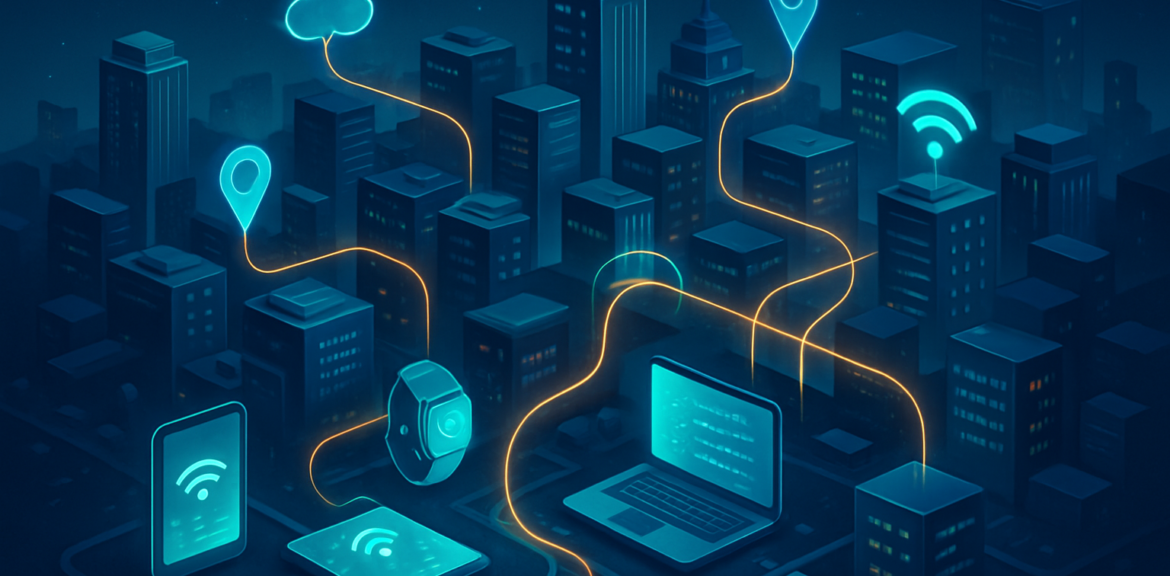

In today’s fast-paced digital world, businesses and developers are constantly seeking ways to enhance data processing speeds and efficiency. Enter Edge Computing, a paradigm that promises to revolutionize our approach to data. With its ability to process data closer to the source, edge computing is not only enhancing the Internet of Things (IoT) but is also poised to outpace traditional cloud computing by offering faster and more efficient solutions.
Understanding Edge Computing: A Closer Look
Edge computing operates by processing data at or near the data source instead of relying solely on centralized cloud data centers. This approach reduces latency, as data doesn’t need to travel across vast networks to be processed. Instead, it harnesses the power of local devices, enabling real-time data processing—a critical factor in industries where speed is paramount.
Why Edge Computing Is Set to Surpass the Cloud
While cloud computing has been the backbone of modern data management for years, it struggles with certain limitations. Primarily, the sheer volume of data generated by IoT devices and the need for instantaneous processing can overwhelm cloud infrastructures. Edge computing addresses these challenges by bringing computation closer to the source, thus minimizing delays.
Benefits of Edge Computing
- Reduced Latency: By processing data locally, devices can operate with minimal delay, which is crucial for applications like autonomous vehicles and real-time analytics.
- Increased Security: With data processed locally, there are fewer opportunities for interception during transmission, enhancing overall security.
- Cost Efficiency: Edge computing can reduce bandwidth costs by minimizing data sent to the cloud, optimizing resource utilization.
- Scalability: As more devices connect to the internet, edge solutions offer a scalable method to manage increasing data volumes effectively.
The Role of Edge AI and IoT
Edge AI combines artificial intelligence capabilities with edge computing to create smart devices that process data intelligently and independently. This synergy is particularly transformative for the IoT landscape. It enables devices to make autonomous decisions based on real-time data, reducing the need for constant cloud connectivity.
“By 2025, Gartner predicts that 75% of enterprise-generated data will be processed outside of traditional centralized data centers or cloud.”
Cloud Computing Limitations
Cloud computing’s centralized nature can inadvertently lead to bottlenecks, especially as the demand for data processing grows. The need for high-speed internet connectivity and the inherent latency in data transmission are significant challenges that edge computing adeptly overcomes. As edge computing continues to evolve, its ability to manage data more efficiently positions it as a future cornerstone of digital infrastructure.
- Enhanced device responsiveness
- Optimized data management
- Improved privacy controls
Key Takeaways
- Edge computing processes data locally, reducing latency and bandwidth usage.
- It offers enhanced security and scalability compared to traditional cloud solutions.
- Edge AI enables IoT devices to make autonomous, real-time decisions.
- As data generation grows, edge computing will become increasingly essential.
In conclusion, while cloud computing will remain integral to many digital operations, the growth and capabilities of edge computing present a compelling case for its adoption. As technology continues to advance, businesses and developers must recognize the unique advantages of processing data closer to its source, setting the stage for a new era in data management.
Frequently Asked Questions
- What is edge computing?
-
Edge computing processes data near its source rather than relying on centralized cloud data centers, reducing latency and improving efficiency.
- How does edge computing benefit IoT?
-
Edge computing allows IoT devices to process data locally, enabling faster response times and reducing reliance on cloud connectivity.
- Why is edge computing faster than cloud computing?
-
Edge computing reduces latency by processing data near its origin, unlike cloud computing which requires data to travel to remote servers.
- Is edge computing more secure than cloud computing?
-
By processing data locally, edge computing minimizes data transit, reducing exposure to potential cybersecurity threats.