


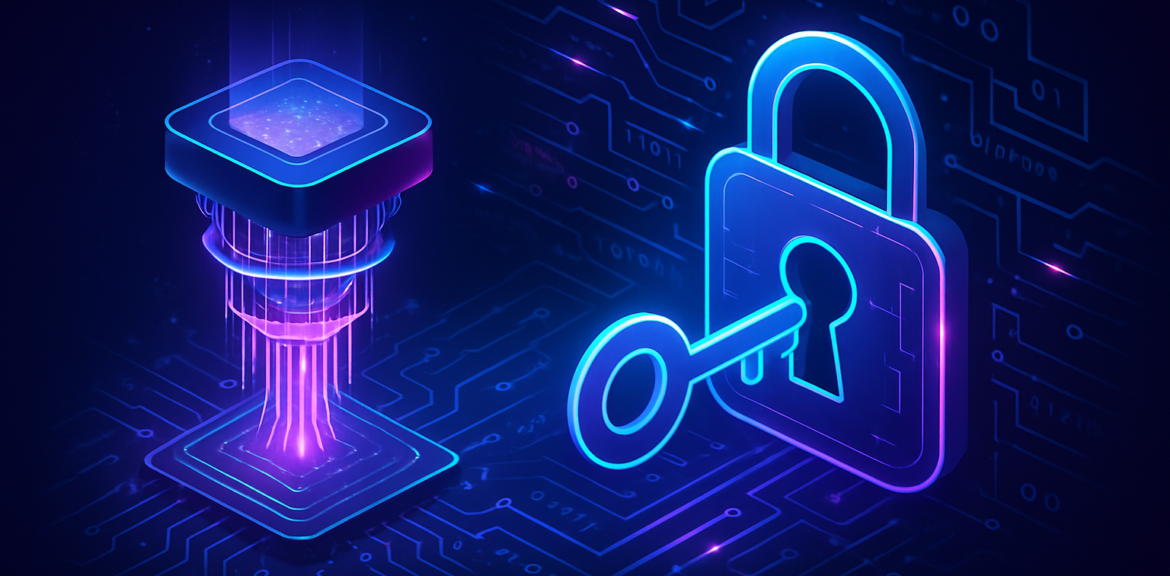

In the rapidly evolving world of technology, quantum computing stands out as a game-changer, especially in the field of encryption. As quantum computers continue to develop, they promise to revolutionize the way we think about data security. But what exactly does this mean for encryption as we know it?
Understanding Quantum Computing
Before delving into its impact on encryption, it’s crucial to understand what quantum computing is. Unlike classical computers which use bits as the smallest unit of data, quantum computers use qubits. Qubits can exist in multiple states simultaneously, thanks to the principles of quantum mechanics such as superposition and entanglement.
Quantum Supremacy: A New Era
Quantum supremacy refers to the point where quantum computers can perform tasks that classical computers cannot. In the realm of calculations, this means solving complex problems in seconds, a feat that would take classical computers thousands of years. This prowess raises significant concerns about current encryption methods.
Impact of Quantum Computing on Encryption
Encryption is the backbone of digital security, protecting sensitive information from unauthorized access. However, quantum computing poses a threat to traditional encryption algorithms. Algorithms that are currently considered secure, such as RSA and ECC, could be rendered obsolete once quantum computers become powerful enough.
Quantum Cryptography: The Future Solution
In response to the impending quantum threat, researchers are developing quantum cryptography. This involves creating new encryption methods that can withstand the power of quantum computers. Post-quantum security algorithms are designed to be secure against both classical and quantum attacks.
One promising area is the development of quantum key distribution (QKD), which leverages quantum mechanics to securely exchange encryption keys. Unlike classical methods, QKD inherently detects any eavesdropping attempts, ensuring the integrity of the communication.
Preparing for a Quantum Future
Organizations must begin planning for the transition to post-quantum encryption now. The National Institute of Standards and Technology (NIST) is already working on standardizing quantum-resistant algorithms to ensure that when quantum computers become mainstream, our data remains secure.
- Understand the current limitations and capabilities of quantum computers.
- Stay informed about developments in post-quantum cryptography.
- Begin assessing current encryption systems for vulnerability to quantum attacks.
Key Takeaways
- Quantum computing will challenge traditional encryption methods.
- Quantum cryptography offers promising solutions to ensure data security in a quantum era.
- Preparation and research into post-quantum algorithms are essential.
The transition to a quantum-secure world won’t happen overnight, but understanding these concepts is the first step toward safeguarding our digital future. As technology advances, staying ahead of security threats is crucial. Learn more about quantum computing and encryption strategies.
Frequently Asked Questions
- What is quantum computing?
-
Quantum computing is a technology that uses qubits, allowing computers to perform calculations much faster than classical computers.
- How does quantum computing affect encryption?
-
Quantum computing can break many current encryption methods quickly, necessitating the development of new, quantum-resistant algorithms.
- What is quantum cryptography?
-
Quantum cryptography leverages quantum mechanics to secure data, with methods like quantum key distribution ensuring communication integrity.
- What are post-quantum algorithms?
-
Post-quantum algorithms are encryption methods designed to be secure against both classical and quantum computer attacks.