


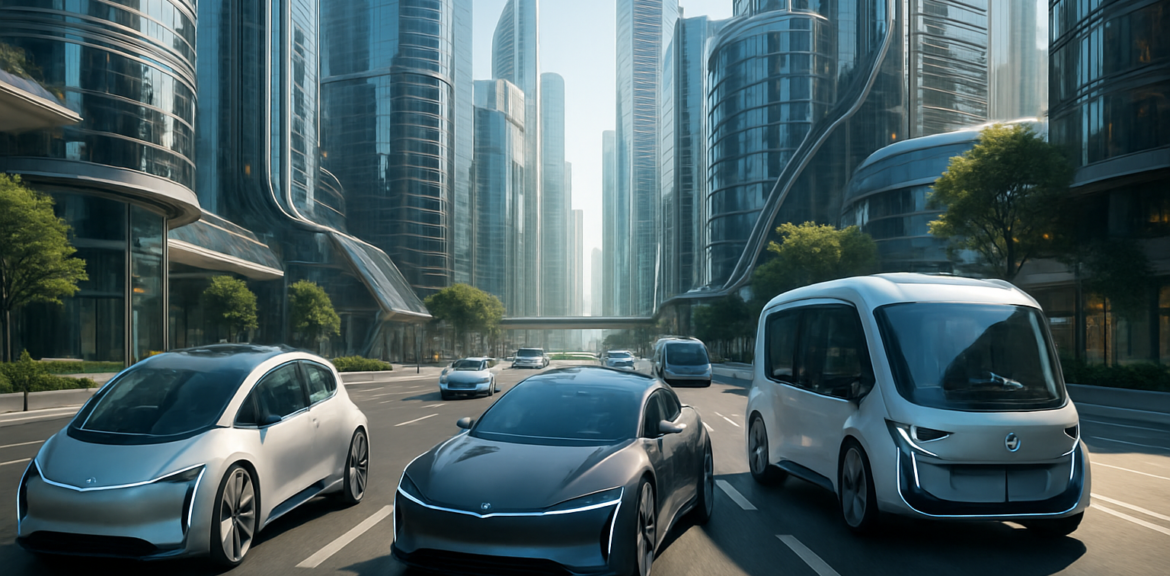

In the fast-evolving landscape of autonomous vehicles, 2023 marks a pivotal year. With technology advancing at an unprecedented pace, self-driving cars are no longer a distant dream but a rapidly approaching reality. The global race to develop fully autonomous vehicles is heating up, with significant strides in self-driving software and regulatory frameworks shaping the future of transportation.
The Current State of Autonomous Vehicle Technology
Autonomous vehicles have experienced remarkable growth in recent years, with numerous players entering the field. Tech giants and automotive companies alike are investing heavily in autonomous car technology. From Tesla’s Autopilot to Waymo’s autonomous taxis, the industry is witnessing a surge in innovation.
One of the key components driving this innovation is the advancement in artificial intelligence and sensor technologies. AI systems are becoming more adept at interpreting complex driving environments, enabling vehicles to navigate urban landscapes with greater accuracy and safety.
Challenges Facing Autonomous Vehicles
Despite the progress, several challenges remain. Automated driving systems must contend with a myriad of obstacles, including unpredictable weather conditions, cybersecurity threats, and societal acceptance. Additionally, the regulatory landscape remains fragmented, with different countries and states adopting varied approaches to testing and deployment.
Regulatory Hurdles
Regulations play a crucial role in the deployment of autonomous vehicles. Current policies vary widely, affecting how companies conduct tests and implement safety measures. As governments work towards unified standards, balancing innovation with safety remains a critical focus.
Public Perception and Adoption
Public acceptance is another significant hurdle. Despite technological advancements, many consumers remain skeptical of fully autonomous driving systems. Building trust through transparent communication and successful real-world trials is essential for widespread adoption.
Emerging Trends in Self-Driving Software
Self-driving software is at the heart of autonomous vehicle development. 2023 has seen revolutionary breakthroughs in machine learning algorithms and real-time data processing capabilities, enhancing vehicles’ decision-making processes. Companies are also exploring vehicle-to-everything (V2X) communication to improve traffic management and safety.
Collaborations between tech companies and automakers have become more common, aiming to accelerate the development of robust self-driving solutions. These partnerships are crucial for integrating cutting-edge technology with existing automotive infrastructure.
The Road Ahead: Future of Mobility
The future of mobility is undoubtedly exciting, with autonomous vehicles poised to transform how we travel. As we progress towards fully automated transportation systems, the implications are vast. From reducing traffic congestion to lowering emissions, the potential benefits are immense.
However, it requires continuous investment in research and development, policy-making, and public engagement to ensure these benefits are realized responsibly and equitably.
Key Takeaways
- Autonomous vehicles are rapidly advancing, with AI and sensor technology at the forefront.
- Challenges include regulatory hurdles, cybersecurity threats, and public acceptance.
- Collaboration between tech firms and automakers is accelerating software development.
- The future promises significant benefits, from improved safety to environmental impact.
Frequently Asked Questions
- What are autonomous vehicles?
-
Autonomous vehicles, also known as self-driving cars, use AI and sensors to drive without human intervention, aiming to improve safety and efficiency.
- How do self-driving cars work?
-
Self-driving cars use a combination of sensors, cameras, and AI to interpret their environment, make driving decisions, and navigate roads safely.
- What are the benefits of autonomous vehicles?
-
Benefits include reduced traffic accidents, lower emissions due to efficient driving, and increased accessibility for those unable to drive.
- What challenges do autonomous vehicles face?
-
Challenges include regulatory approval, cybersecurity risks, and gaining public trust through successful deployment and transparency.