


In the rapidly evolving landscape of digital technology, edge computing stands out as a transformative force poised to outpace traditional cloud solutions. Within the first wave of digital transformation, cloud computing revolutionized access to scalable computing resources. However, as the demand for real-time data processing grows, edge computing emerges as a pivotal player, addressing limitations inherent in cloud-based systems.
Understanding Edge Computing
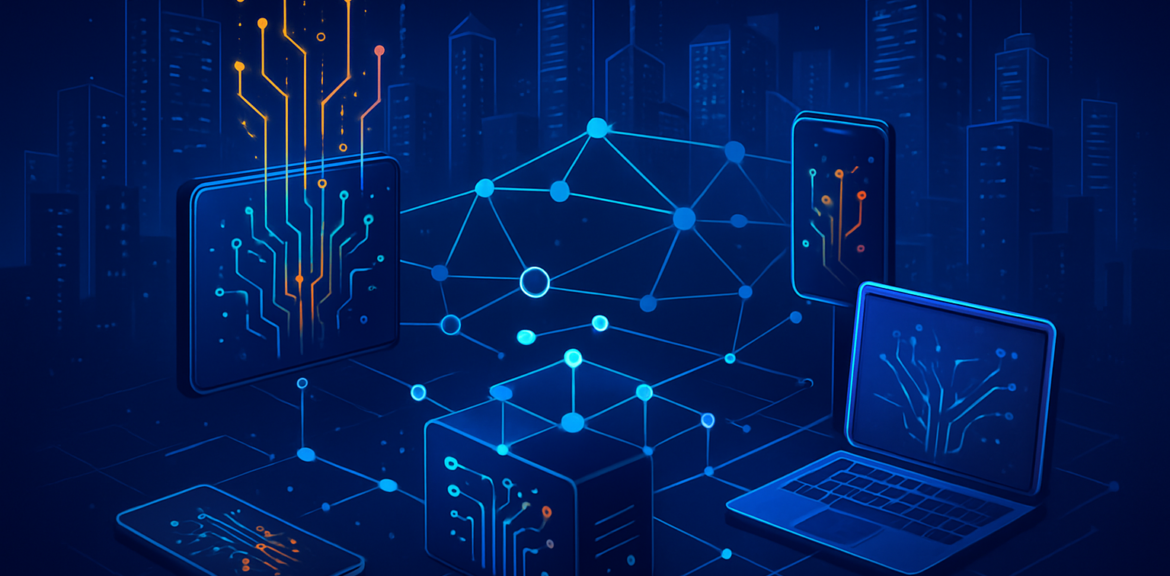
Edge computing refers to the practice of processing data closer to the source of generation, rather than relying heavily on distant cloud servers. This approach reduces latency, enhances data processing speed, and delivers more reliable service. As enterprises continue to adopt Internet of Things (IoT) devices, the need for computing at the edge becomes increasingly paramount. By decentralizing data processing, edge computing significantly enhances the efficiency of IoT networks.
Why Edge Computing Will Outpace the Cloud
1. Real-Time Data Processing
Traditional cloud infrastructure often struggles with the demands of real-time data due to latency issues. Edge computing, however, processes data locally, facilitating instant data analytics and decision-making. This capability is crucial for applications that require immediate feedback, such as autonomous vehicles and smart city technologies.
2. Enhanced Data Security and Privacy
When it comes to data security, edge computing offers significant advantages over cloud systems. By processing data closer to its source, edge computing minimizes the data exposed to potential breaches during transmission. This localized data handling not only fortifies security but also aids in compliance with regional data privacy regulations.
3. Scalability and Flexibility
Edge computing allows businesses to scale operations efficiently. Unlike cloud computing, which often requires significant infrastructure adjustments, edge systems can be scaled by adding more localized nodes. This scalability offers businesses greater flexibility in managing workloads and adapting to changing demands.
The Impact of Edge Computing Across Industries
Industries Embracing Edge Computing
The influence of edge computing extends across various sectors. In healthcare, for instance, edge computing enables faster processing of patient data, leading to swifter diagnoses and improved patient care. Manufacturing companies use edge solutions to monitor equipment health and optimize production lines in real-time, significantly boosting operational efficiency.
Revolutionizing IoT and Smart Devices
Edge computing plays a pivotal role in the IoT landscape. By processing data at the source, it supports the seamless operation of smart devices, enhancing user experience and performance. The smart home ecosystem, powered by edge capabilities, offers faster response times and stronger privacy protections.
Challenges and Future Prospects
Despite these advantages, edge computing is not without challenges. Infrastructure costs and complexity can pose barriers to entry. Furthermore, maintaining consistent and secure connections across numerous edge devices remains a critical concern. However, as technology advances, these challenges are gradually being addressed, paving the way for broader edge adoption.
Innovations in energy-efficient hardware, improved connectivity solutions, and emerging standards are set to reinforce the edge computing framework. As businesses recognize the potential of processing data at the edge, we are likely to see a shift in investments from cloud-centric strategies to hybrid models that leverage both edge and cloud capabilities.
Key Takeaways
- Edge computing processes data closer to its source, reducing latency and enhancing real-time analytics.
- It offers improved data security and compliance with privacy regulations compared to cloud computing.
- Edge computing supports scalability and flexibility, benefiting various industries like healthcare and manufacturing.
- Despite challenges, advancements in technology are paving the way for increased adoption of edge computing solutions.
Frequently Asked Questions
- What is edge computing?
-
Edge computing is a method of processing data closer to its source rather than relying on remote cloud servers, reducing latency and improving real-time processing.
- How does edge computing improve data security?
-
Edge computing enhances data security by processing information locally, reducing exposure during transmission and ensuring compliance with privacy regulations.
- Why is edge computing important for IoT?
-
Edge computing is crucial for IoT because it enables real-time data processing, which is essential for applications requiring instant feedback, such as smart home devices.
- What are the challenges of edge computing?
-
Challenges include high infrastructure costs, complexity of deployment, and maintaining secure, consistent connections across numerous edge devices.