


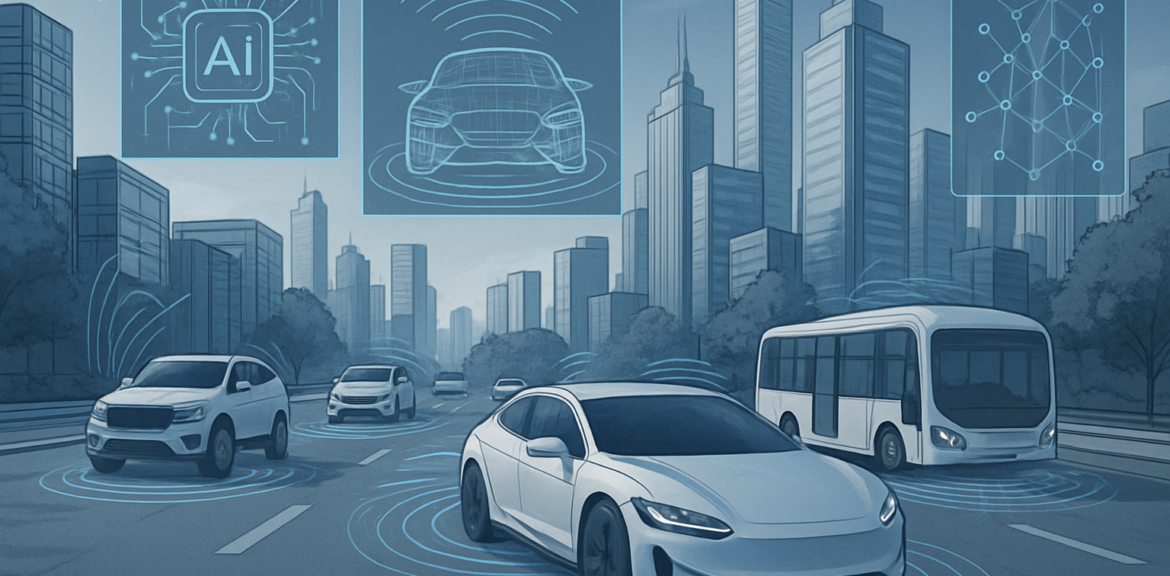

Autonomous vehicles are no longer just a futuristic concept; they are a rapidly developing reality reshaping how we think about transportation. With advancements in self-driving software and vehicle automation, the journey towards fully autonomous vehicles is well underway. As we stand on the brink of a new era in transportation, it’s essential to understand the current state of autonomous vehicles and how recent developments in self-driving technologies are paving the way for their mass adoption.
The Evolution of Autonomous Vehicles
The evolution of autonomous vehicles has been remarkable. From early prototypes to today’s sophisticated driverless cars, the journey has been fueled by advancements in artificial intelligence (AI), machine learning, and sensor technology. Initially, self-driving cars relied heavily on basic sensors and pre-programmed routes. However, modern autonomous vehicles employ complex algorithms and real-time data processing to navigate dynamic environments effectively.
Key Players in the Autonomous Vehicle Market
Several companies are leading the charge in the autonomous vehicle space. Giants like Tesla, Waymo, and Uber have made significant strides in developing robust self-driving platforms. Tesla’s Autopilot feature, for instance, offers advanced driver-assistance systems (ADAS) that provide partial autonomy. Meanwhile, Waymo, a subsidiary of Alphabet Inc., has launched a fully autonomous ride-hailing service in specific areas.
Self-Driving Software: The Backbone of Autonomy
At the heart of autonomous vehicles lies self-driving software, which integrates AI with real-time data from sensors and cameras to make informed driving decisions. This software not only facilitates navigation but also enhances autonomous vehicle safety by predicting and avoiding potential hazards. One of the most critical aspects of self-driving software is its ability to learn and adapt over time, ensuring that vehicles become safer and more reliable with increased exposure to real-world driving scenarios.
Challenges in Autonomous Driving Technology
Despite significant progress, several challenges remain in achieving full-scale deployment of autonomous vehicles. Among these are regulatory hurdles, public trust, and technical limitations. Ensuring the safety of driverless cars in varied and unpredictable environments is paramount. Additionally, the integration of autonomous vehicles into existing infrastructure poses logistical and regulatory challenges that need careful consideration.
Moreover, the ethical implications of self-driving technology present a complex dilemma. Questions surrounding decision-making in critical situations, accountability for accidents, and data privacy need to be addressed to win public confidence.
Autonomous Vehicles and the Future of Transportation
The potential benefits of autonomous vehicles are vast. They promise to reduce road accidents, optimize traffic flow, and provide mobility solutions for those unable to drive. As cities grow and technology advances, autonomous vehicles could significantly alleviate urban congestion and reduce greenhouse gas emissions by promoting more efficient transportation systems.
However, for these benefits to materialize, continuous advancements in autonomous driving technology and robust regulatory frameworks are essential. Collaborative efforts between tech companies, policymakers, and urban planners will be vital in creating a future where autonomous vehicles are a common sight.
Key Takeaways
- Autonomous vehicles continue to evolve, driven by advancements in technology and software.
- Major companies like Tesla and Waymo lead in the development of self-driving systems.
- Challenges such as safety, regulations, and ethical considerations need addressing.
- Autonomous vehicles hold potential to revolutionize urban transportation.
As we navigate the complexities of this transformative technology, the promise of a safer, more efficient transportation future remains the ultimate goal. The state of autonomous vehicles and self-driving software is robust, yet it signals the beginning of an exciting journey towards an autonomous future.
Frequently Asked Questions
- What are autonomous vehicles?
-
Autonomous vehicles are cars equipped with technology that allows them to navigate and drive without human intervention. They use sensors, cameras, and AI to understand and react to their surroundings.
- How do self-driving cars work?
-
Self-driving cars use a combination of sensors, cameras, radar, and artificial intelligence to detect their environment, make decisions, and drive safely without human input.
- Are autonomous vehicles safe?
-
While autonomous vehicles aim to enhance safety by reducing human error, they still face challenges in safety validation and real-world unpredictability. Continuous testing and regulatory approval are crucial.
- What companies are leading in autonomous vehicle technology?
-
Leading companies in autonomous vehicle technology include Tesla, Waymo, Uber, and several traditional automakers investing heavily in self-driving technology development.