


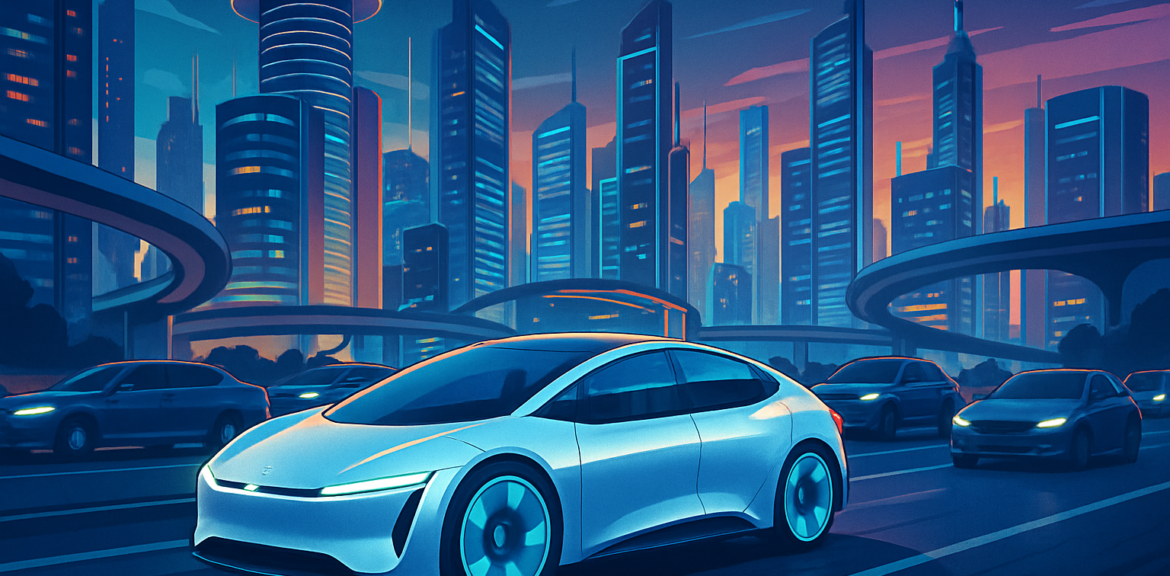

The era of autonomous vehicles is not a distant future anymore; it is here, shaping the landscape of transportation as we know it. In 2023, autonomous vehicles are evolving at a rapid pace, driven by advancements in self-driving software and AI technology. The quest for safer roads, efficiency, and convenience has propelled this technology forward, making it an integral part of our lives sooner than anticipated.
The Current State of Autonomous Vehicles
Autonomous vehicles have become a focal point of innovation, with companies across the globe racing to perfect the technology. The current focus is on enhancing the self-driving technology that powers these vehicles, pushing the boundaries of what is possible in automated driving systems. Major players like Tesla, Waymo, and Uber are at the forefront, each offering unique approaches to vehicle autonomy.
As of 2023, these vehicles are categorized into different levels of automation, ranging from Level 0 (no automation) to Level 5 (full automation), according to the SAE International classification. Most commercially available autonomous cars operate at Level 2 or 3, where they can manage some driving tasks but still require human oversight.
Advancements in Self-Driving Software
The backbone of autonomous vehicles lies in the sophistication of their self-driving software. This software leverages AI and machine learning to interpret vast amounts of data from sensors, cameras, and radar systems to make real-time driving decisions. In 2023, significant strides have been made in improving the accuracy and reliability of these systems, reducing the occurrence of software-related driving errors.
Moreover, AI in transportation has enabled vehicles to better understand and predict human behavior on the road, a crucial step towards achieving full automation. These improvements not only enhance the driving experience but also significantly contribute to road safety innovations.
Challenges and Concerns
Despite the advancements, the journey towards fully autonomous vehicles is not without challenges. Regulatory hurdles, ethical dilemmas, and technological limitations continue to pose significant obstacles. Safety remains a paramount concern, as the transition to higher levels of automation must ensure the well-being of passengers and pedestrians alike.
Additionally, public perception and trust in self-driving vehicles are crucial. While some embrace the technology, others remain skeptical, wary of potential malfunctions or ethical decisions programmed into the software.
The Road Ahead
The future of autonomous vehicles is bright, yet complex. As technology continues to evolve, we can expect to see an increase in the adoption of these vehicles in urban and suburban areas. The potential benefits are substantial, from reducing traffic congestion to decreasing emissions and providing mobility solutions for the elderly and disabled.
Collaboration between tech companies, automakers, and government bodies will be essential in establishing the frameworks necessary for a seamless integration of autonomous vehicles into our transportation systems. This synergy will help address current challenges and pave the way for a safer, more efficient future.
Key Takeaways
- Autonomous vehicles are rapidly advancing, with significant improvements in self-driving software.
- Most current autonomous vehicles operate at Level 2 or 3 automation.
- AI and machine learning are vital for interpreting data and ensuring road safety.
- Challenges include regulatory hurdles, safety concerns, and public trust.
- The future holds potential for widespread adoption, shaping a new era in transportation.
Frequently Asked Questions
- What are autonomous vehicles?
-
Autonomous vehicles are cars or trucks capable of navigating and operating without human intervention, primarily using AI and sensors.
- What is the current level of automation in autonomous vehicles?
-
Most commercially available autonomous vehicles operate at Level 2 or 3, where they can assist with driving but require human oversight.
- How do self-driving software systems work?
-
Self-driving software uses AI and machine learning to process data from sensors and cameras, allowing vehicles to make driving decisions in real-time.
- What are the main challenges facing autonomous vehicles?
-
Challenges include regulatory issues, ensuring safety, public trust, and overcoming technological limitations in reaching full automation.