


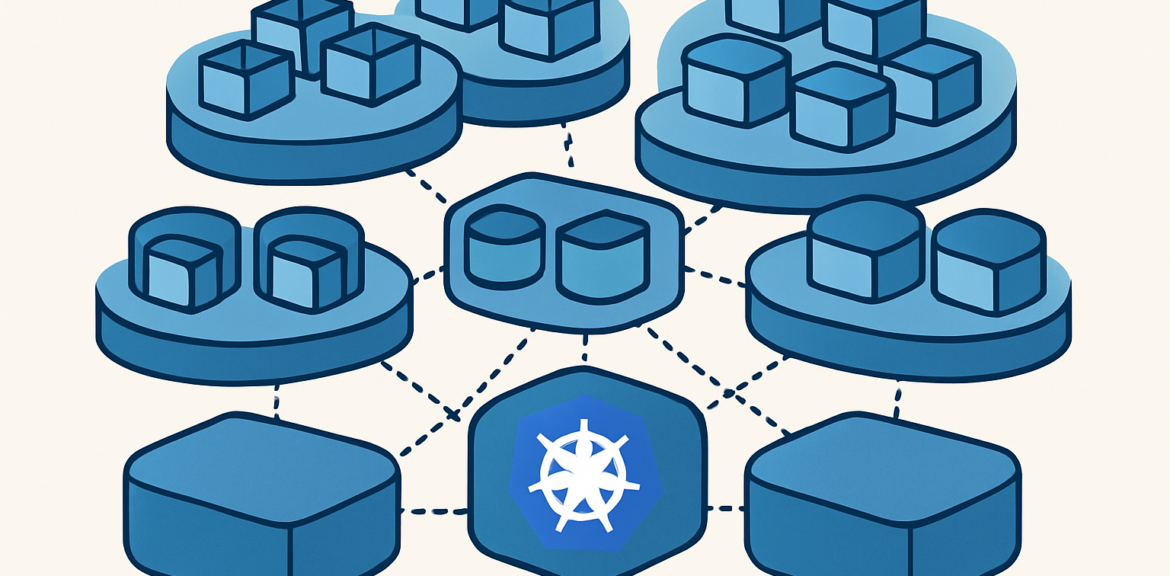

In the fast-evolving world of cloud-native applications, Kubernetes has rapidly become the cornerstone for managing containerized environments at scale. But transitioning Kubernetes from development to production isn’t without its challenges. In this blog post, we delve into real-world experiences and lessons learned from running Kubernetes in production, providing invaluable insights for those embarking on this journey.
The Importance of Kubernetes in Production
Kubernetes has revolutionized the way we deploy and manage applications. Its ability to automate deployment, scaling, and operations of application containers across clusters of hosts makes it a powerful tool. However, deploying Kubernetes in production requires careful consideration and strategic planning. The real challenge lies in ensuring that your Kubernetes deployment is robust, secure, and scalable enough to handle real-world demands.
Key Lessons from the Trenches
1. Mastering Kubernetes Deployment
One of the first hurdles in putting Kubernetes into production is mastering its deployment. It’s crucial to tailor it to your specific needs, whether it’s through managed services like Google Kubernetes Engine or an on-premise solution. Focus on understanding cluster configuration, selecting the right networking model, and managing persistent storage efficiently.
2. Managing Kubernetes Scalability
Scalability is one of Kubernetes’ greatest strengths, but it can also be a significant challenge. Ensure your system is designed to scale horizontally. Use tools like the Horizontal Pod Autoscaler to manage workloads dynamically, and consider implementing cluster autoscaling for adjusting the number of nodes in your cluster automatically.
3. Ensuring Security and Compliance
Security in Kubernetes is a multi-layered effort. Start with securing the cluster nodes, configuring network policies to isolate workloads, and ensuring role-based access control (RBAC) is implemented correctly. Regular audits and compliance checks are necessary to keep your production environment secure.
4. Optimizing Performance and Monitoring
Performance optimization is crucial for maintaining a smooth-running production environment. Use monitoring tools like Prometheus and Grafana to gain insights into cluster performance. Identify bottlenecks and adjust resource limits and requests accordingly to ensure efficient use of resources.
Common Challenges and How to Overcome Them
Despite its numerous benefits, Kubernetes presents several challenges in production. These include complex networking configurations, managing stateful applications, and ensuring high availability. Overcoming these requires a deep understanding of Kubernetes architecture and the ability to troubleshoot effectively.
Moreover, downtime in production can be costly. Implement blue-green deployments or canary releases to minimize disruption during updates. Always have a rollback plan ready in case things don’t go as planned.
Key Takeaways
- Deploying Kubernetes in production necessitates a well-thought-out strategy, focusing on scalability, security, and performance.
- Utilizing autoscaling solutions is essential for managing dynamic workloads efficiently.
- Security should be a priority, with robust role-based access controls and regular audits.
- Performance monitoring tools are crucial for maintaining optimal performance and quick issue resolution.
- Be prepared for challenges with diligent planning and have a robust rollback strategy.
By understanding these lessons from the trenches, organizations can better navigate the complexities of running Kubernetes in production, paving the way for successful deployment and continuous innovation.
Frequently Asked Questions
- What is Kubernetes in production?
-
Kubernetes in production refers to the deployment and management of Kubernetes clusters in a live environment, handling real user traffic and workloads.
- Why is Kubernetes important for production environments?
-
Kubernetes automates deployment, scaling, and operations of application containers, making it ideal for efficient resource management and scalability in production environments.
- What are common challenges when deploying Kubernetes in production?
-
Challenges include complex networking configurations, managing stateful applications, ensuring high availability, and maintaining security and compliance.
- How can you enhance Kubernetes security in production?
-
Enhance security by securing cluster nodes, configuring network policies, implementing role-based access control, and conducting regular compliance audits.