



In the rapidly evolving landscape of cybersecurity, one term has increasingly captured the attention of IT professionals and business leaders alike: supply chain attacks. These insidious threats target the very foundation of our software systems, exploiting vulnerabilities not in the end product, but in the third-party components that contribute to it. As businesses increasingly rely on complex networks of suppliers and partners, understanding and mitigating these attacks has never been more crucial.
What Are Supply Chain Attacks?
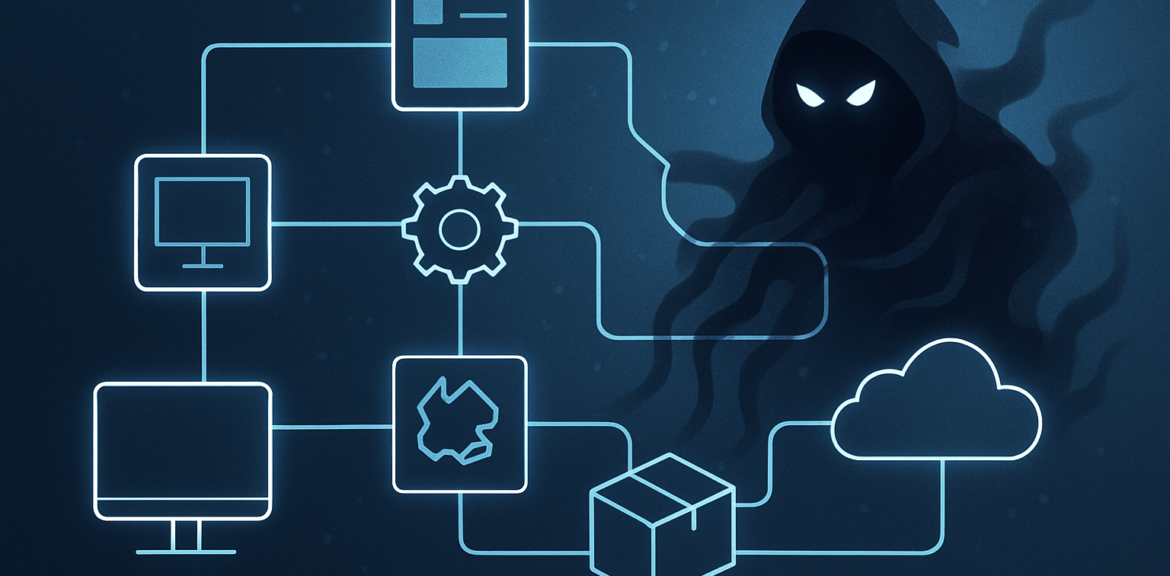
Supply chain attacks occur when cybercriminals infiltrate a company’s network by exploiting the vulnerabilities of third-party vendors or suppliers. Instead of attacking a company’s software directly, hackers target the links in the business’s supply chain, including everything from software libraries to hardware components. By compromising a trusted supplier, attackers can introduce malware into the supply chain, spreading it among all the users of a particular software package.
Why Are They Increasing?
The rise in supply chain attacks can be attributed to several key factors. First, the growing dependency on third-party software and outsourced services has broadened the attack surface. Furthermore, many companies lack sufficient visibility and control over their supply chains, making it easier for hackers to infiltrate. According to a study by Gartner, by 2025, 45% of organizations worldwide will have experienced attacks on their software supply chains, a three-fold increase from 2021.
Impact on Software Security
Supply chain attacks present a significant threat to software security. They can compromise sensitive data, disrupt operations, and damage reputations. Some infamous examples include the SolarWinds attack, where malicious code was injected into the company’s Orion software updates, impacting thousands of businesses and government entities. Such attacks not only breach security but also undermine trust in software products and services.
Strategies to Mitigate Supply Chain Risks
Mitigating supply chain attacks requires a comprehensive strategy that includes:
- Vendor Assessment: Regularly evaluate the security practices of your suppliers and partners.
- Security Audits: Implement regular security audits and code reviews to detect vulnerabilities.
- Access Controls: Restrict access to sensitive systems and data across the supply chain.
- Incident Response Plans: Develop robust incident response plans to quickly address any breaches.
- Continuous Monitoring: Use advanced monitoring tools to detect irregular activities in real-time.
Organizations that adopt these practices can significantly reduce their exposure to supply chain risks and ensure stronger protection of their IT infrastructure.
Real-Life Case Studies
Several real-world incidents highlight the devastating impact of supply chain attacks. The NotPetya attack, for example, began as a targeted campaign against a Ukrainian software company, but quickly spread worldwide, causing billions in damage. These case studies serve as cautionary tales, emphasizing the need for heightened vigilance and proactive measures in software development and deployment processes.
Key Takeaways
- Supply chain attacks exploit vulnerabilities in third-party software components.
- They pose a significant threat to software security and can disrupt operations.
- Comprehensive strategies including vendor assessments and continuous monitoring are vital.
- Real-world incidents demonstrate the global impact of these attacks.
In conclusion, as supply chains become more complex and interdependent, the risk of supply chain attacks increases. Organizations must stay vigilant, continuously updating their security measures to protect against these invisible threats. By taking proactive steps, businesses can safeguard their software environments and maintain trust with their customers and partners.
Frequently Asked Questions
- What is a supply chain attack?
-
A supply chain attack targets vulnerabilities within third-party vendors or suppliers to infiltrate a company’s network, often introducing malware into a software product.
- Why are supply chain attacks on the rise?
-
Supply chain attacks are increasing due to greater dependence on third-party software, lack of visibility over supply chains, and the expanding digital ecosystem.
- How can companies prevent supply chain attacks?
-
Companies can prevent supply chain attacks by conducting vendor assessments, regular security audits, implementing access controls, and maintaining continuous monitoring.
- What impact do supply chain attacks have?
-
Supply chain attacks can lead to data breaches, operational disruptions, financial losses, and damage to a company’s reputation, affecting trust in their software products.