


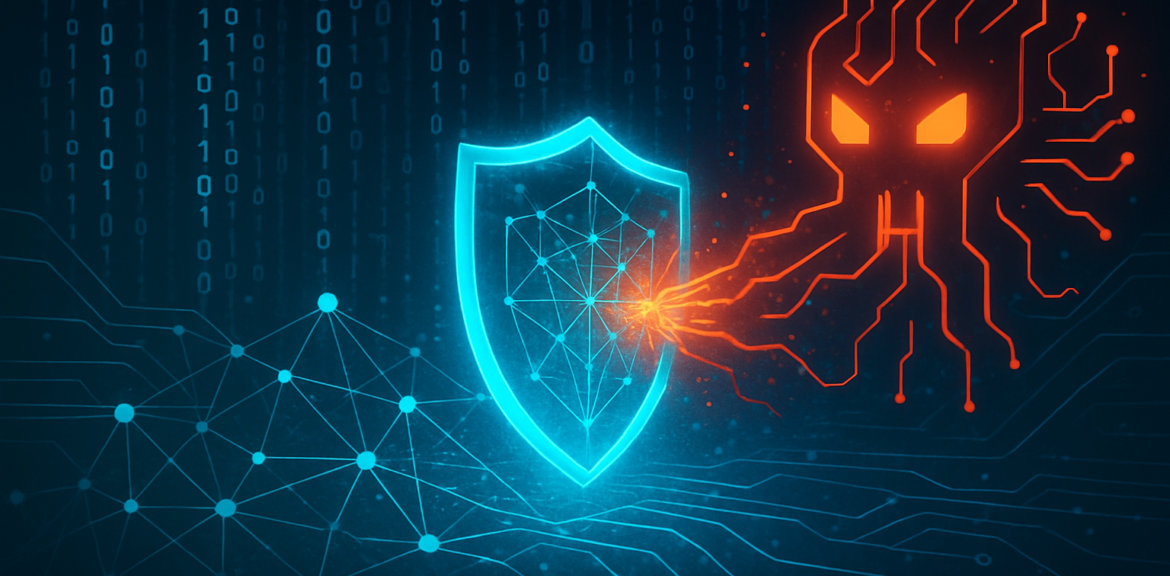

In the rapidly evolving landscape of digital threats, AI-powered cyberattacks have emerged as a formidable challenge. These sophisticated attacks leverage machine learning and artificial intelligence to outmaneuver traditional security measures. The implications for businesses, governments, and individuals are profound, necessitating new strategies and technologies to safeguard sensitive information.
Understanding AI-Powered Cyberattacks
AI-powered cyberattacks represent a significant leap in the capabilities of malicious actors. By utilizing AI, hackers can automate processes, making attacks more efficient and harder to detect. Machine learning algorithms allow these attackers to learn from and adapt to security measures in real-time, increasing the potential for successful breaches.
One of the most concerning aspects is the speed at which AI can analyze vast datasets to identify vulnerabilities. Traditional methods that rely on human intervention simply cannot keep pace. This creates a critical need for innovative cybersecurity strategies that incorporate AI to counteract these emerging threats.
The Mechanics of AI in Hacking
AI in hacking typically involves automated tools that can scan networks much faster than any human analyst. These tools can predict likely points of entry, bypass standard security protocols, and even mimic human behavior to avoid detection. Furthermore, AI can personalize phishing attacks by analyzing social media profiles and crafting convincing scams tailored to individuals.
“AI can become a double-edged sword in cybersecurity, enhancing both offensive and defensive capabilities.” – Cybersecurity Expert
Defensive AI: Combating AI-Powered Threats
To effectively defend against AI-powered cyberattacks, organizations must employ a dual approach that combines traditional security measures with advanced defensive AI technology. This includes leveraging AI to monitor network activity, identify anomalies, and respond to threats in real-time.
Defensive AI can also facilitate automated threat detection and response, reducing the time between identification and mitigation. By learning from past incidents, AI-driven systems can predict and preempt future attacks, providing a crucial layer of protection.
Implementing Cyber Defense Solutions
Organizations should consider integrating comprehensive cyber defense solutions that include:
- Real-time monitoring: Using AI to continuously analyze network traffic for suspicious activity.
- Behavioral analysis: Identifying deviations in user behavior to detect potential insider threats.
- Automated response: Enabling systems to automatically isolate and neutralize threats without human intervention.
- Continuous learning: Training AI systems with new data to enhance their capability to detect novel threats.
These strategies are essential for staying ahead of attackers who are constantly refining their techniques.
Key Takeaways
- AI-powered cyberattacks are becoming more prevalent and sophisticated, posing a severe threat to security measures worldwide.
- Understanding the mechanics of AI in hacking is crucial for developing effective defense strategies.
- Integrating AI into cybersecurity protocols can enhance real-time monitoring and automated threat response.
- Organizations must adopt a proactive approach by continually updating and training their defensive AI systems.
Embracing the potential of AI in cybersecurity not only offers protection against current threats but also prepares organizations for the rapidly changing digital threat landscape of the future.
Frequently Asked Questions
- What are AI-powered cyberattacks?
-
AI-powered cyberattacks utilize artificial intelligence to enhance the efficiency and sophistication of traditional hacking methods, making them harder to detect and defend against.
- How can AI be used defensively in cybersecurity?
-
AI can monitor networks in real-time, identify anomalies, and automate responses to threats, significantly reducing the time and resources needed to mitigate attacks.
- Why are AI-powered attacks more dangerous?
-
These attacks can quickly analyze and exploit vulnerabilities, outpacing traditional security measures and increasing the likelihood of successful breaches.
- What steps can organizations take to defend against AI threats?
-
Organizations should integrate AI into their cybersecurity measures, focusing on real-time monitoring, behavioral analysis, and automated threat responses to stay ahead of attackers.