


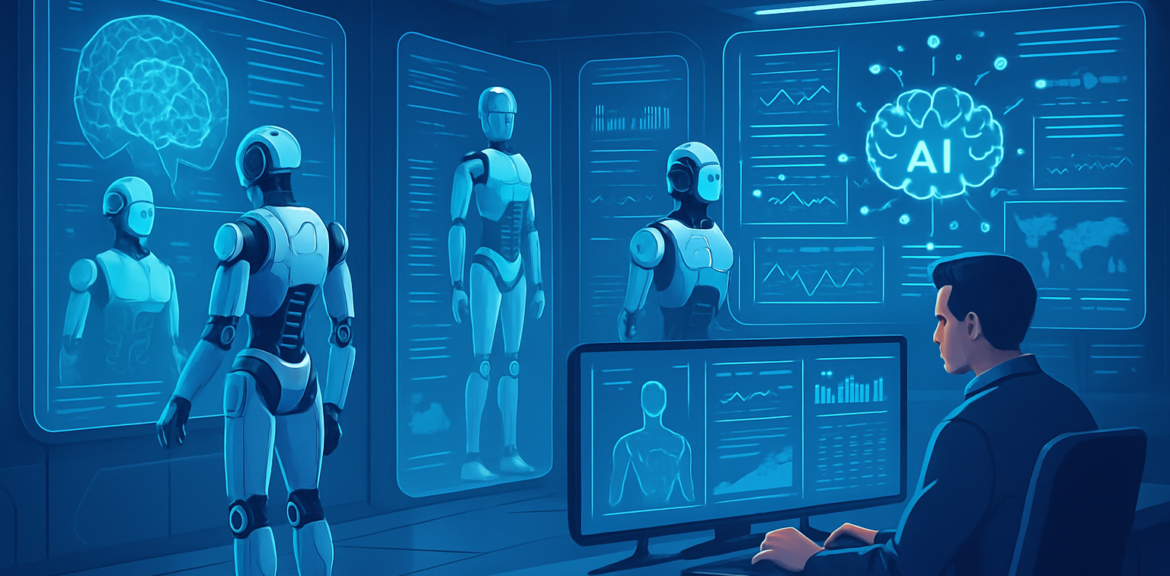

In a world increasingly shaped by technology, AI training for robots in 2025 is pushing boundaries and redefining possibilities. The integration of artificial intelligence into robotics is not just a futuristic concept but an evolving reality. As we step into this new era, understanding how robots are being trained with AI is crucial for grasping the innovations that lie ahead.
Advanced AI Training Techniques in Robotics
AI training for robots is no longer limited to basic automation. In 2025, a fusion of machine learning and cognitive technologies has enabled robots to perform complex tasks with unprecedented precision. The integration of deep learning networks allows robots to analyze data patterns and adapt to new scenarios, making them more autonomous than ever before.
One of the most significant advancements is the use of reinforcement learning, where robots learn by interacting with their environment. Through trial and error, these machines develop the ability to make decisions, optimizing their performance in real-time. This technique, combined with AI-powered sensors, provides robots with enhanced situational awareness.
The Role of Simulation in AI Training
Simulation environments have become a staple in AI training for robots. They offer a controlled yet dynamic platform for robots to hone their skills. In these virtual settings, robots can engage in millions of iterations, improving their tasks without the risks associated with real-world testing. This method not only accelerates the training process but also reduces costs and increases safety.
For example, self-driving cars use simulation to navigate complex cityscapes before hitting the streets. This approach ensures that when real-world conditions are encountered, these AI-driven machines are well-prepared.
Impacts of AI Training on Robotics Industries
The advancements in AI training for robots are transforming industries across the board. In manufacturing, robots equipped with AI capabilities are streamlining production lines, reducing error rates, and boosting efficiency. The healthcare sector sees robots assisting in surgeries and patient care, leveraging AI to enhance precision and improve outcomes.
Furthermore, AI-trained robots are pivotal in sectors like agriculture and logistics, where they optimize operations by predicting equipment failures and managing supply chains with intelligence-driven insights. These robots not only increase productivity but also foster sustainable practices by minimizing waste and energy consumption.
Challenges and Ethical Considerations
Despite the numerous benefits, the rise of AI-trained robots presents unique challenges. Issues such as data privacy, algorithmic bias, and ethical concerns around autonomy require careful consideration. As these machines become more integrated into society, establishing regulations and ethical guidelines is essential to ensure that technology serves humanity positively.
Moreover, the potential for job displacement remains a pressing concern. While AI training enhances robotic capabilities, it also necessitates a reevaluation of workforce roles, demanding new skills and adaptive expertise from human workers.
Key Takeaways
- AI training for robots in 2025 involves advanced techniques like reinforcement learning and simulations.
- Industries such as healthcare and manufacturing are reaping significant benefits from AI-powered robots.
- Simulation environments allow safe, efficient, and cost-effective robot training.
- Ethical considerations and workforce adaptation remain crucial components of AI integration in robotics.
In conclusion, the landscape of robotics is being reshaped by the innovative AI training techniques of 2025. As we continue to explore these advancements, it is vital to balance technological growth with ethical responsibility, ensuring a future where robots enhance rather than disrupt our way of life.
Frequently Asked Questions
- How does AI training improve robot capabilities?
-
AI training enhances robot capabilities by enabling machines to learn from data, make autonomous decisions, and adapt to new environments efficiently.
- What are the main methods used in AI training for robots?
-
Key methods include reinforcement learning, deep learning, and simulation environments, which offer safe and cost-effective training platforms.
- What industries benefit most from AI-trained robots?
-
Industries such as manufacturing, healthcare, logistics, and agriculture benefit significantly from the efficiency and precision of AI-trained robots.
- What challenges does the rise of AI-trained robots pose?
-
Challenges include ethical concerns, data privacy issues, algorithmic bias, and the potential for job displacement, requiring new regulations and workforce adaptations.