

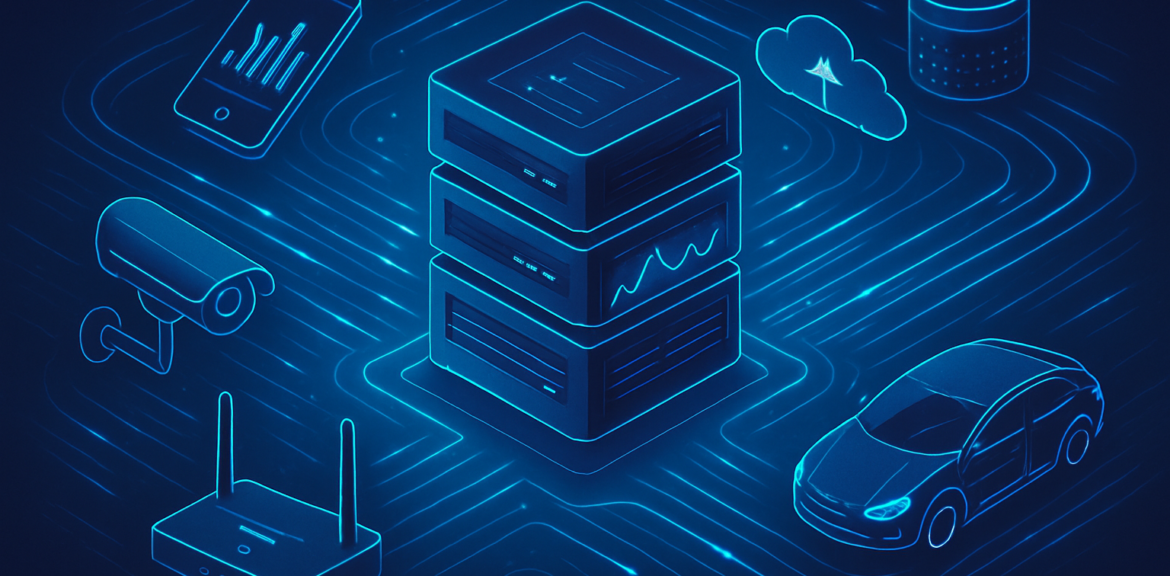

As our digital world continues to expand, edge computing emerges as a pivotal technology that may soon outpace traditional cloud computing. With its ability to process data closer to where it is generated, edge computing is not only enhancing efficiency, but also transforming industries by addressing the limitations of centralized cloud systems.
Understanding Edge Computing
Edge computing refers to the deployment of computing resources closer to the physical location of data generation. Unlike cloud computing, which centralizes data processing in remote data centers, edge computing processes data at “the edge” of the network. This approach significantly reduces data latency and bandwidth usage, crucial for applications requiring real-time data analysis.
The Rise of the Internet of Things
The proliferation of the Internet of Things (IoT) has been a critical driver for edge computing. With billions of connected devices generating massive amounts of data, the traditional cloud model struggles to maintain performance due to bandwidth and latency constraints. Edge computing addresses these challenges by enabling local processing, thereby improving response times and reducing the burden on centralized data centers.
Why Edge Will Outpace the Cloud
The debate on edge computing versus cloud computing often centers around performance and scalability. Edge computing offers distinct advantages that position it to outpace traditional cloud deployments. Here’s why:
Reduced Latency and Enhanced Speed
One of the most significant benefits of edge computing is its ability to minimize latency. By processing data locally, edge computing provides faster data analysis and response times, which are critical for applications such as autonomous vehicles, healthcare monitoring systems, and financial services where real-time processing is essential.
Improved Security and Privacy
Edge computing enhances security and privacy by minimizing the data transmitted over networks. By keeping sensitive data closer to the source, it reduces the exposure to potential cyber threats and complies better with data protection regulations, making it a preferred choice for industries like healthcare and finance.
Scalability and Cost Efficiency
Though cloud computing offers scalability, the costs associated with bandwidth and storage can be significant. Edge computing provides a more cost-effective solution by reducing the amount of data that needs to be sent to the cloud, thus lowering operational costs and enabling more efficient scaling of services and applications.
Edge Computing in Action
Several industries are already harnessing the power of edge computing. In manufacturing, smart factories leverage edge computing for real-time monitoring and automation. Similarly, the retail industry uses edge solutions to enhance customer experiences through personalized services and inventory management. These examples highlight the transformative potential of this technology across various sectors.
The Future of Distributed Networks
As we move towards a more connected future, the importance of distributed networks becomes evident. Edge computing not only optimizes network performance but also supports the growth of emerging technologies such as 5G, which promises faster connections and expanded IoT capabilities.
Key Takeaways
- Edge computing reduces latency and enhances processing speed by localizing data processing.
- It offers improved security and privacy, minimizing data transmission and exposure to threats.
- Cost-efficiency is a significant advantage, reducing bandwidth and storage needs.
- Edge computing supports the expansion of IoT and enhances the effectiveness of emerging technologies like 5G.
In conclusion, as technologies evolve and data demands increase, edge computing stands poised to outpace the traditional cloud model. By offering faster, more secure, and cost-effective solutions, edge computing is not just a complementary technology but a critical component of the future digital landscape.
Frequently Asked Questions
- What is edge computing?
-
Edge computing processes data closer to its source rather than relying on a central cloud data center, reducing latency and improving speed.
- How does edge computing benefit IoT?
-
Edge computing benefits IoT by enabling real-time data processing and analysis directly where the data is generated, enhancing performance and reducing latency.
- Why might edge computing outpace cloud computing?
-
Edge computing may outpace cloud computing due to its ability to offer lower latency, improved security, and cost efficiency by processing data locally.
- What industries benefit most from edge computing?
-
Industries like manufacturing, healthcare, finance, and retail benefit greatly from edge computing due to their need for real-time data processing and enhanced security.