


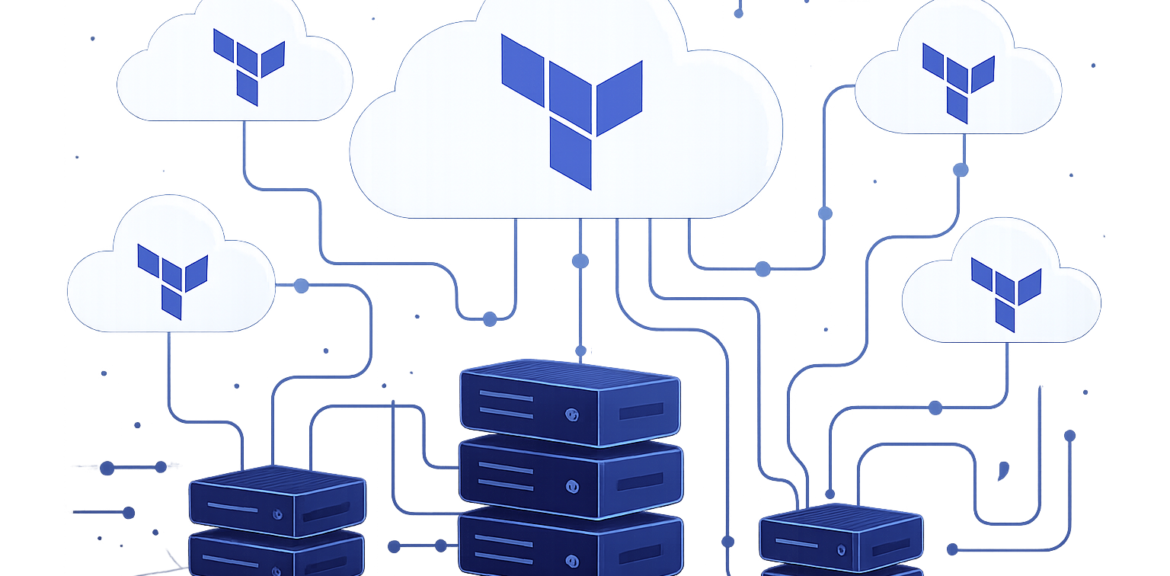

In the rapidly evolving world of cloud computing, Infrastructure as Code (IaC) has emerged as a game-changer, offering a new paradigm for infrastructure management. At the heart of this revolution is Terraform, an open-source tool that enables developers and DevOps engineers to define and provision data center infrastructure using a declarative configuration language. This guide will walk you through the essentials of using Terraform for IaC, helping you understand its capabilities and best practices.
Understanding Infrastructure as Code
Infrastructure as Code is a method of managing and provisioning computing resources through machine-readable definition files, rather than physical hardware configuration or interactive configuration tools. This approach brings software development practices to infrastructure management, allowing for automation, version control, and consistency.
Why Choose Terraform?
Terraform stands out among other IaC tools due to its ability to manage infrastructure across multiple cloud providers. This flexibility allows organizations to avoid vendor lock-in and leverage the best services from each provider. With its provider plugins, Terraform can interact with a wide variety of services, making it a versatile choice for complex cloud environments.
Getting Started with Terraform
To begin using Terraform, you’ll need to install it on your machine and set up your preferred cloud provider’s credentials. Terraform uses configuration files written in HashiCorp Configuration Language (HCL), which are straightforward and human-readable. These files define the desired state of your infrastructure.
Basic Terraform Commands
Once your configuration files are ready, you can use basic Terraform commands to manage your infrastructure:
- terraform init: Initializes a working directory containing Terraform configuration files.
- terraform plan: Creates an execution plan, showing the changes that Terraform will apply.
- terraform apply: Applies the changes required to reach the desired state of the configuration.
- terraform destroy: Destroys the resources defined in your Terraform configuration.
Best Practices for Terraform
While Terraform simplifies infrastructure management, following best practices is crucial to ensure efficiency and security:
- Use Version Control: Store your Terraform configuration files in a version control system like Git to track changes and collaborate with team members.
- Modularize Your Code: Break down your Terraform configuration into reusable modules to promote consistency and reduce duplication.
- State Management: Carefully manage Terraform state files, which are used to keep track of resource attributes.
- Secure Sensitive Data: Use tools like HashiCorp Vault to manage sensitive data such as credentials.
Advanced Features and Integrations
Terraform’s advanced features, such as Terraform Cloud and Terraform Enterprise, offer collaborative workflows, policy management, and enhanced security. Integrations with CI/CD pipelines further automate infrastructure deployments, enabling seamless DevOps practices.
“As of 2023, Terraform is a top choice for organizations adopting cloud-native architectures.” – Cloud Insights Magazine
Key Takeaways
- Infrastructure as Code using Terraform allows for scalable, consistent, and automated infrastructure management.
- Terraform’s flexibility across cloud providers makes it a powerful tool for avoiding vendor lock-in.
- Following best practices ensures efficient and secure infrastructure provisioning.
- Advanced Terraform features and integrations enhance DevOps workflows.
As businesses continue to embrace cloud computing, understanding and implementing Infrastructure as Code with tools like Terraform is becoming essential. By automating infrastructure management, organizations can achieve greater agility, accelerate software delivery, and improve reliability.
Frequently Asked Questions
- What is Infrastructure as Code?
-
Infrastructure as Code is a method of managing and provisioning computer infrastructure using machine-readable configuration files. This allows for automation and consistency across environments.
- Why use Terraform for Infrastructure as Code?
-
Terraform is popular for its ability to manage infrastructure across various cloud providers, avoiding vendor lock-in and offering flexibility with its provider plugins.
- What are Terraform modules?
-
Terraform modules are reusable components that encapsulate a group of resources and configuration files, promoting code reusability and reducing redundancy.
- How does Terraform manage state?
-
Terraform uses state files to keep track of the resources it manages. These files are crucial for understanding the current infrastructure state and applying changes accurately.