


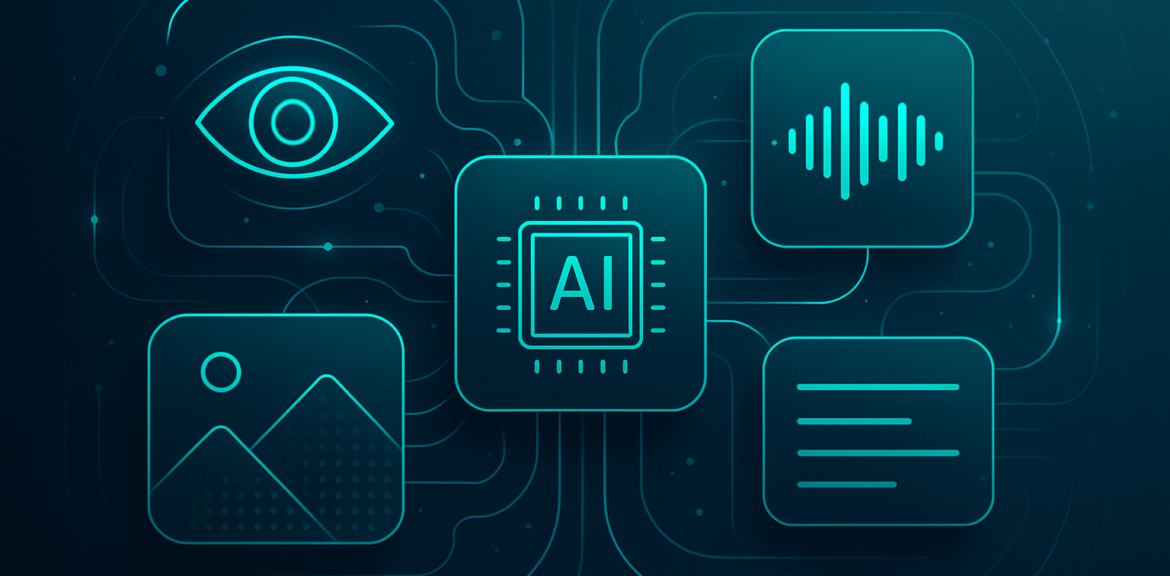

In the dynamic world of technology, multimodal AI is emerging as a groundbreaking advancement, integrating vision, audio, and text to create more natural and intuitive machine interactions. This evolution represents a significant leap from traditional AI systems that typically rely on a single mode of data input. By combining these modalities, multimodal AI enhances the ability of machines to understand and interpret the world in a way that more closely mimics human perception.
The Power of Multimodal AI Integration
Multimodal AI leverages the strengths of computer vision, audio recognition, and natural language processing (NLP) to provide a richer understanding of data. This convergence allows AI systems to process information in a more holistic manner. For instance, a smart home assistant powered by multimodal AI can understand a user’s request not just by the words spoken but by the tone of voice and the user’s facial expressions captured via camera.
Enhanced Interactivity and User Experience
The integration of multiple data modalities enhances the interactive capabilities of AI systems. By processing audio-visual data alongside textual information, these systems can provide more accurate responses and actionable insights. An example of this is in customer service, where an AI can interpret the mood of a customer via voice tone and facial cues, thus tailoring its responses to improve customer satisfaction.
Applications of Multimodal AI Across Industries
Organizations across various sectors are beginning to harness the potential of multimodal AI. In healthcare, for example, multimodal systems can integrate patient imaging, clinical notes, and speech data to offer comprehensive diagnostic assistance. In retail, AI systems use visual and audio cues to enhance inventory management and improve customer engagement through personalized service.
Challenges and Considerations
Despite its potential, the development and implementation of multimodal AI come with challenges. Integrating different data types requires sophisticated algorithms and substantial computational power. There is also a need for large, diverse datasets to train these models effectively, which can raise privacy and ethical concerns about data collection and use.
The Future of Multimodal AI
As technology continues to advance, the capabilities of multimodal AI will expand, offering even more innovative solutions to complex problems. Future developments may see these systems being used in autonomous vehicles, smart cities, and beyond, enhancing efficiency and improving quality of life. The potential for multimodal AI to transform industries is immense, making it a critical area of focus for researchers and developers.
Key Takeaways
- Multimodal AI blends vision, audio, and text to mimic human perception more closely.
- It offers enhanced interactivity and user experience across various applications.
- Challenges include data integration and privacy concerns.
- The future promises expanded capabilities, transforming industries and improving quality of life.
Frequently Asked Questions
- What is multimodal AI?
-
Multimodal AI refers to artificial intelligence systems that integrate multiple types of data inputs, such as vision, audio, and text, to improve understanding and interaction.
- How does multimodal AI enhance user experience?
-
Multimodal AI enhances user experience by processing and interpreting information through multiple data modes, which allows for more accurate responses and interactions.
- What are the challenges of implementing multimodal AI?
-
Challenges include integrating different data types, requiring advanced algorithms and computational power, and addressing privacy and ethical concerns related to data collection.
- What industries benefit from multimodal AI?
-
Industries such as healthcare, retail, and customer service benefit from multimodal AI through improved diagnostics, personalized services, and efficient data processing.