


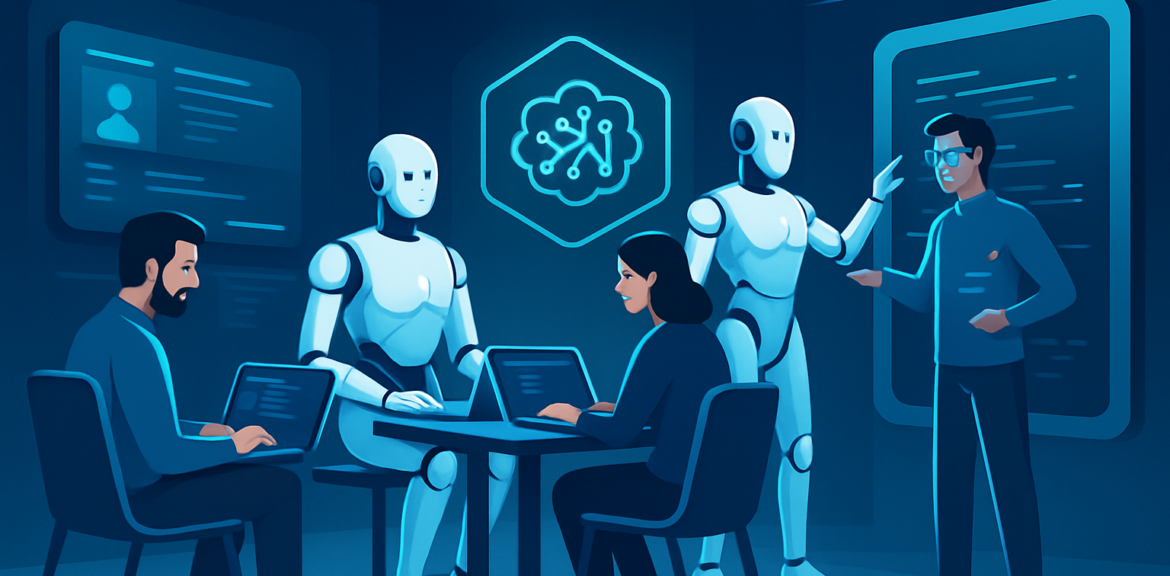

In recent years, open source AI models have emerged as formidable contenders in the realm of artificial intelligence, challenging proprietary giants like ChatGPT and Claude. These models offer a new paradigm, where collaboration and transparency drive innovation. But can open source truly rival the sophistication and resources of established players?
The Rise of Open Source AI Models
Open source AI models have captured the imagination of developers and researchers worldwide, offering an alternative to closed systems. Unlike proprietary models, open source options provide unparalleled access to their inner workings, fostering a community of innovation and rapid improvement. This accessibility is a game-changer for developers looking to customize AI solutions to specific needs.
One of the significant advantages of open source models is the ability to harness the collective intelligence of a global community. Developers can contribute to and refine these models, leading to continuous enhancements and feature-rich applications. This collaborative spirit underpins the success of open source technology across various domains.
Advantages Over Proprietary Models Like ChatGPT
While proprietary models like ChatGPT offer robust performance, open source AI models present several unique benefits. The transparency of open source models allows users to audit algorithms for bias and ethical considerations, an increasingly important factor in AI development. Additionally, the customizable nature of these models enables developers to tailor solutions to niche applications that proprietary models may not address effectively.
Moreover, open source models often come with fewer licensing restrictions, making them an attractive option for startups and small enterprises looking to integrate AI capabilities without significant upfront costs. This financial accessibility democratizes AI development, allowing more players to enter the field and contribute to technological progress.
Community-Driven Improvements
The heart of open source AI lies in its community. Developers from all walks of life contribute to enhancing model accuracy, expanding language support, and optimizing computational efficiency. This decentralized model of innovation ensures that open source AI remains at the forefront of technological trends, often incorporating the latest advancements more rapidly than monolithic corporations.
- Open source models promote transparency and trust.
- They enable rapid innovation through community-driven updates.
- They offer cost-effective AI solutions for businesses.
Challenges and Opportunities
Despite their promise, open source AI models face challenges, particularly in terms of resources and support. While large companies like OpenAI and Anthropic can leverage substantial funding and infrastructure, open source projects often rely on community contributions, which can be inconsistent. This disparity can impact the scalability and robustness of open source solutions.
However, the potential for open source AI models to drive equity and innovation in AI is immense. By lowering the barriers to entry, these models empower a wide array of developers to participate in AI advancements, paving the way for diverse applications and perspectives.
The Future of Open Source AI
The future of open source AI models looks promising as they continue to evolve and mature. With increasing attention to ethical AI use and a push for more inclusive technology, open source models are well-positioned to lead the way in creating AI systems that benefit all of humanity.
“Open source AI models are not just an alternative; they are a catalyst for empowerment and innovation.” — AI Researcher Jane Doe
- Key Takeaways:
- Open source AI models offer transparency and community-driven innovation.
- They provide cost-effective and customizable solutions.
- Challenges include resource limitations compared to proprietary models.
- Their potential for democratizing AI is significant.
As open source AI models continue to make strides, they stand poised to reshape the landscape of artificial intelligence, proving that collaboration and openness can truly rival even the most powerful proprietary systems.
Frequently Asked Questions
- What are the benefits of open source AI models?
-
Open source AI models offer transparency, customization, and community-driven improvements, making them cost-effective and versatile.
- How do open source AI models compare to ChatGPT?
-
While ChatGPT is a proprietary model, open source AI models offer transparency and customization, often with fewer licensing restrictions.
- Can open source AI replace proprietary models?
-
Open source AI models provide competitive alternatives but may face challenges in resources and scalability compared to proprietary models.
- Why is open source important in AI development?
-
Open source promotes collaboration, transparency, and accessibility, allowing diverse contributions to enhance AI technologies.