


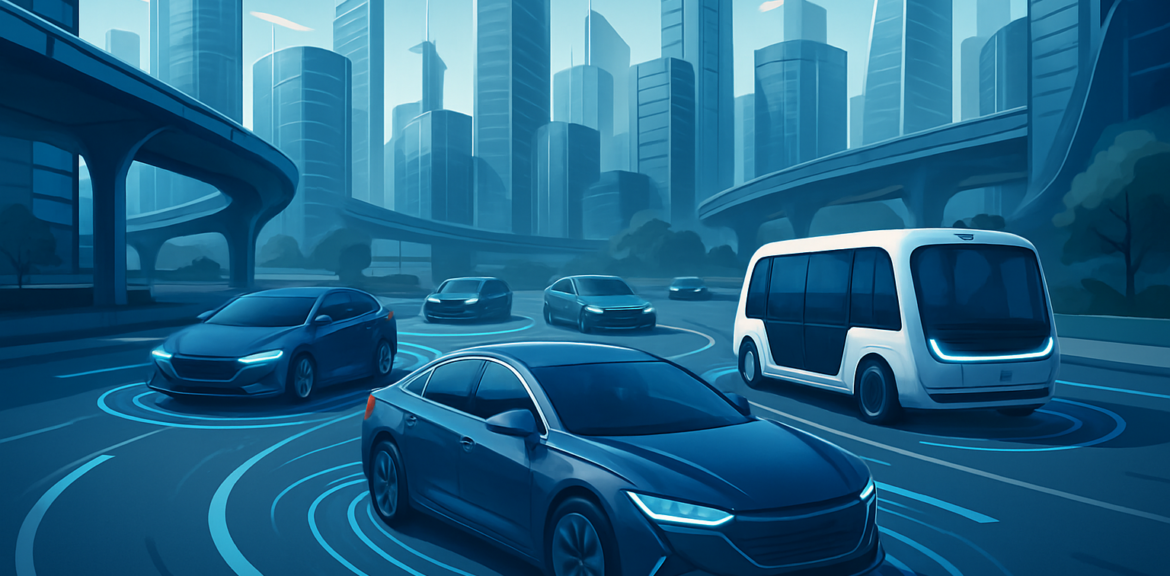

In the last decade, autonomous vehicles have shifted from a futuristic concept to a tangible reality that’s reshaping our roads. Today, self-driving technology is at the forefront of transportation innovation, promising to revolutionize how we commute, reduce traffic accidents, and improve fuel efficiency. With major automotive and tech companies investing billions in development, the state of autonomous vehicles in 2023 is both a testament to technological advancement and a glimpse into our transportation future.
The Evolution of Autonomous Vehicles
The journey of autonomous vehicles began with basic driver-assistance systems that have evolved into sophisticated software capable of controlling a vehicle’s every move. These advancements have been fueled by breakthroughs in artificial intelligence (AI), machine learning, and sensor technology, which allow vehicles to navigate complex environments with precision.
Early adopters like Tesla, Waymo, and General Motors have pushed the envelope, each bringing unique solutions to the market. Tesla’s Autopilot, for instance, blends advanced hardware with AI to enable semi-autonomous driving, while Waymo’s fully autonomous vehicles are being tested on public roads, setting new standards for driverless technology.
Current State of Self-Driving Software
As of 2023, self-driving software is more advanced than ever, thanks to ongoing improvements in AI algorithms and vehicle automation hardware. Companies are now focusing on perfecting Level 4 autonomy, where vehicles can handle most driving situations without human intervention. This development is crucial for expanding the practical applications of autonomous vehicles beyond niche markets.
Furthermore, the integration of AI in transportation has led to smarter navigation systems, real-time traffic management, and enhanced safety features that significantly reduce the risk of human error. These systems use a combination of cameras, LIDAR, radar, and ultrasonic sensors to build a detailed map of the vehicle’s surroundings, ensuring seamless and safe operation.
Challenges and Considerations
Despite the rapid progress, the adoption of autonomous vehicles faces several hurdles. Regulatory challenges remain a significant barrier, as governments worldwide grapple with creating consistent frameworks for testing and deployment. Public trust is another critical factor, as widespread acceptance depends on proving the technology’s reliability and safety.
Cybersecurity is also a pressing concern, with the rise of connected vehicles increasing the risk of cyber attacks. Developers are tasked with ensuring that self-driving software is robust against such threats, protecting both data privacy and physical safety.
Impact on Society and Economy
The potential benefits of autonomous vehicles extend well beyond convenience. They promise to transform urban landscapes, reduce congestion, and offer mobility solutions for those unable to drive. Economically, the shift towards driverless cars could open up new industries and job opportunities, even as it disrupts traditional sectors like taxi services and truck driving.
However, these changes also prompt questions about employment displacement and the need for new skills. Policymakers and educators must proactively address these issues to ensure a smooth transition into this new era of transportation.
Key Takeaways
- Autonomous vehicles are progressing rapidly, with significant advancements in AI and sensor technology driving innovation.
- Current efforts are focused on achieving Level 4 autonomy for broader application and acceptance.
- Challenges include regulatory frameworks, public trust, and cybersecurity concerns.
- The potential societal and economic impacts are vast, offering both opportunities and challenges.
As we move closer to a world where autonomous vehicles become commonplace, the blend of technology and human ingenuity continues to push boundaries, promising a safer, more efficient, and connected future on the roads.
Frequently Asked Questions
- What are autonomous vehicles?
-
Autonomous vehicles are cars or trucks capable of navigating and driving themselves without human intervention, using sensors and AI technology.
- How do self-driving cars work?
-
Self-driving cars use a combination of sensors, cameras, radar, and AI algorithms to perceive their environment and make driving decisions.
- What level of autonomy do most self-driving cars have today?
-
Most self-driving cars today operate at Level 2 or 3 autonomy, which require some human oversight, though Level 4 is under development.
- What are the main challenges for autonomous vehicle adoption?
-
Key challenges include regulatory hurdles, ensuring cybersecurity, public trust, and addressing potential job displacement in the transportation sector.